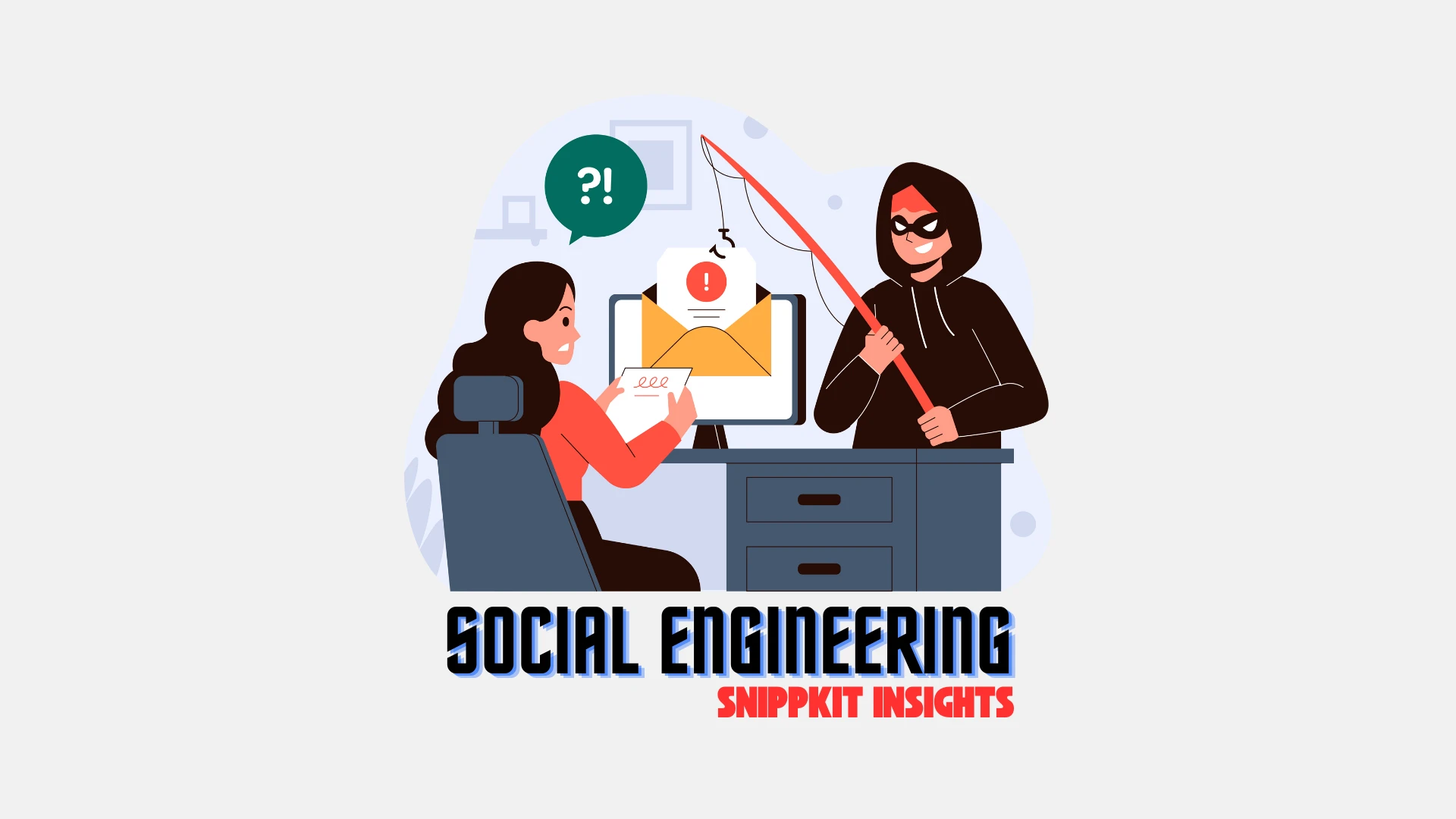
Social Engineering: How Your Instagram Gets Hacked
It’s not always about breaking passwords. Sometimes, it’s about breaking your trust.

Social media has become a part of our everyday life. We don’t use it only for entertainment anymore, we use it to express who we are, to build our personal brand, to grow businesses, and to stay connected with the world.
Instagram especially has turned into a digital identity. It holds our memories, our work, our audience, and sometimes even our income. Losing access to an account today feels like losing a part of ourselves, and that is exactly why attackers focus so heavily on social platforms.
In 2026, social media accounts are not just profiles, they are assets. They carry value, influence, and credibility. That value is what makes them attractive targets for cybercriminals.
What Is Social Engineering?
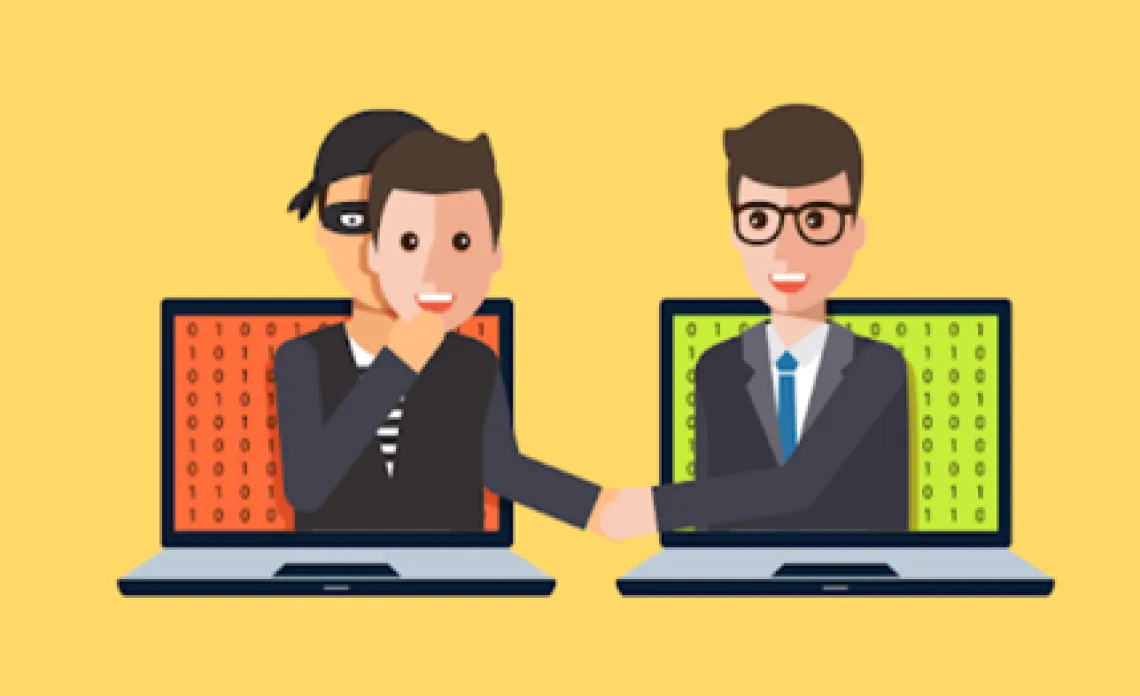
Social engineering is the art of manipulating humans instead of hacking machines.
Instead of attacking servers, attackers attack:
Your emotions
Your trust
Your curiosity
Your fear
Social engineering is not hacking systems.
It is hacking behavior.
Instead of fighting security systems, attackers choose the easier path: manipulating people. They study how you behave, what you fear, what excites you, and what makes you panic. Once they understand your psychology, they don’t need to hack anything. They simply make you cooperate without realizing it.
In most cases, social engineering starts with small details taken from your own profile. Your bio, your posts, your followers, and your email address give attackers enough information to sound legitimate. They might pose as Instagram support, a brand manager, or even a friend. The moment you believe their identity, they already have control over the situation.

One of the most common methods is fake login portals. You receive a message saying your account violated some policy or needs urgent verification. The link looks official, the page looks real, and everything feels authentic. When you enter your username and password, you are not logging into Instagram. You are handing your credentials directly to the attacker.
You receive:
“Your account violated policy. Verify now.”
You click → it looks like Instagram → you log in → attacker steals your credentials.
Brute force attacks still exist, especially for accounts that use weak or predictable passwords. Automated tools try thousands of combinations in seconds. If your password is simple, your account is already exposed. Social engineering and brute force often work together: one weak password and one careless click is enough.
If your password is simple:
username123
insta@2026
123456
Bots try millions of combinations automatically.

Keyloggers are another silent threat. They come through cracked software, mod apps, or unknown downloads. Once installed, they record every keystroke you type. Your Instagram login, your email password, even your bank details can be captured without you noticing anything unusual.
Malware installed through:
Cracked apps
Fake tools
Unknown downloads
They record everything you type.
There are also indirect factors that make hacking easier. Reusing passwords across platforms, not enabling two-factor authentication, keeping your email public, installing mod APKs, and clicking unknown links all reduce your security. Each mistake alone looks small, but together they create a perfect opportunity for attackers.
Securing yourself starts with awareness. Enable two-factor authentication and prefer authenticator apps over SMS. Use strong, unique passwords for every platform. Never click login links sent through messages or emails. Always open Instagram directly from your app or browser. Never share OTPs, screenshots, or verification codes with anyone, no matter how official they sound.
Avoid cracked software and unofficial apps. Keep your personal information minimal and private. Remove your email from public profiles if possible. Most importantly, learn to pause. Scams work by creating urgency. The moment you feel rushed, stop and verify.
Your Instagram is rarely hacked by force.
It is usually hacked by trust.
And trust, once misplaced, becomes the biggest vulnerability.
To know more, subscribe to SnippKit Insights.
Written by Mohamed Rahman Shareff S
January 14, 2026