Security: A Myth We Still Believe In
Why Security Matters More Than Ever in 2026

We live in a time where people say,
“Everything is secure now.”
“AI is smart enough to protect us.”
“Big companies won’t get hacked.”
But the truth is simple:
Security has always been a myth if humans are involved.

Why Security Is Still Critical in 2026?
We now have:
AI-driven malware
Automated phishing campaigns
Real-time voice cloning
Deepfake identity attacks
Emotion-aware social engineering
Security is no longer optional.
It is survival.
Security Is a Myth – Because Humans Are the Weakest Layer
Let's be honest.
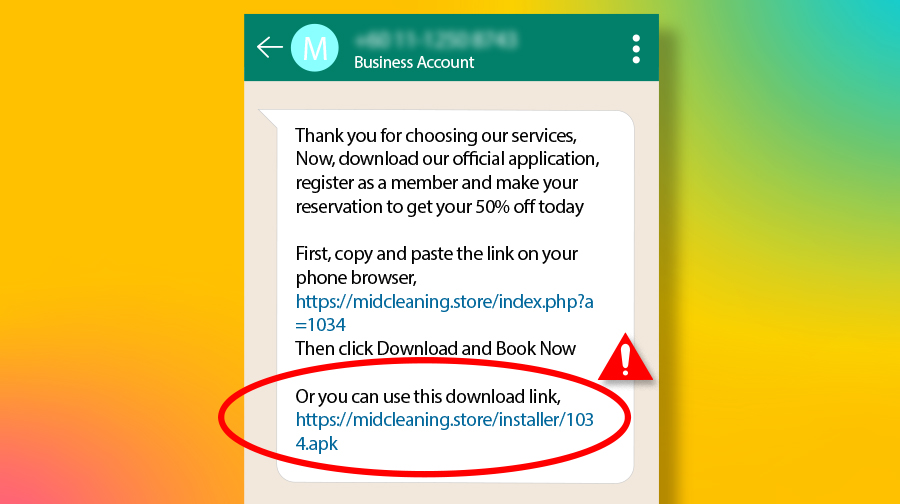
Most breaches happen because:
Someone clicked a link
Someone trusted a call
Someone reused a password
AI Era: Power With a Dangerous Shadow
AI gave us:
Faster automation
Smart detection
Predictive security
Threat intelligence
But it also gave attackers:
Perfect phishing emails
Deepfake videos
Voice impersonation
AI-generated scams
Psychological profiling
In 2026, attackers don’t hack systems.
They hack beliefs.
Security Advice for 2026
Never trust links blindly
Don’t click links from emails, DMs, or SMS without verifying.
Always check the sender domain and spelling.
When in doubt, open the website manually in your browser.
Stop uploading personal videos & voice samples publicly
Your face and voice are your digital identity.
Avoid posting:
Clear voice recordings
Long talking videos
These are perfect training data for deepfake AI.
Assume every call can be fake
If someone asks for money, OTP, credentials, or urgent action:
Hang up.
Call them back from a verified number.
No real company asks sensitive data over calls.
Use separate emails
One email for:
Banking & important services
One for:
Social media
One for:
Testing, subscriptions, random sites
Passwords are dead. Use managers.
Use a password manager.
Never reuse passwords.
Enable 2FA everywhere.
Don’t react emotionally
Attackers use:
Fear
Urgency
Authority
The moment you feel pressure → stop.
Verify video calls
Even if you see a face:
Ask a personal question.
Switch communication channels.
Never act instantly.
Avoid AI apps that collect face/voice
Free AI tools often store:
Face scans
Voice prints
Emotion patterns
Minimal online identity
Less data online = less you can be cloned.
Privacy is power.
Never share OTP, QR, or screen
If someone asks for it → it’s a scam. No exceptions.
To know more, subscribe to SnippKit Insights
Written by Mohamed Rahman Shareff S
January 14, 2026